Mis en avant

What should I wear for trekking?

What should I wear for trekking? Shop equipment trekking and light trekking
light trekking and best gear trekking at shop climbing telemark Pyrenees

« Best Trekking and Hiking Gear, for Women and Men. »

— light trekking – light Hiking

Now that we have the basic clothing considerations out of the way, let’s get more specific regarding clothing needs by season. These needs will change depending on where you live and what part of the season you’re in (i.e., early fall vs. late fall). Here are some general tips for choosing the most appropriate outerwear by season.

Spring and fall: These seasons are together because layering needs are similar in these more moderate and variable seasons. For footwear, many outdoor experts recommend hiking boots vs. sneakers or hiking sandals due to the possible temperature fluctuations and muddy trail conditions from snowmelt and rain. The boots add traction and support, with an added bonus of keeping your feet dry if they are waterproof. In addition, a packable waterproof and windproof jacket will help keep you comfortable in these wet and unpredictable seasons.

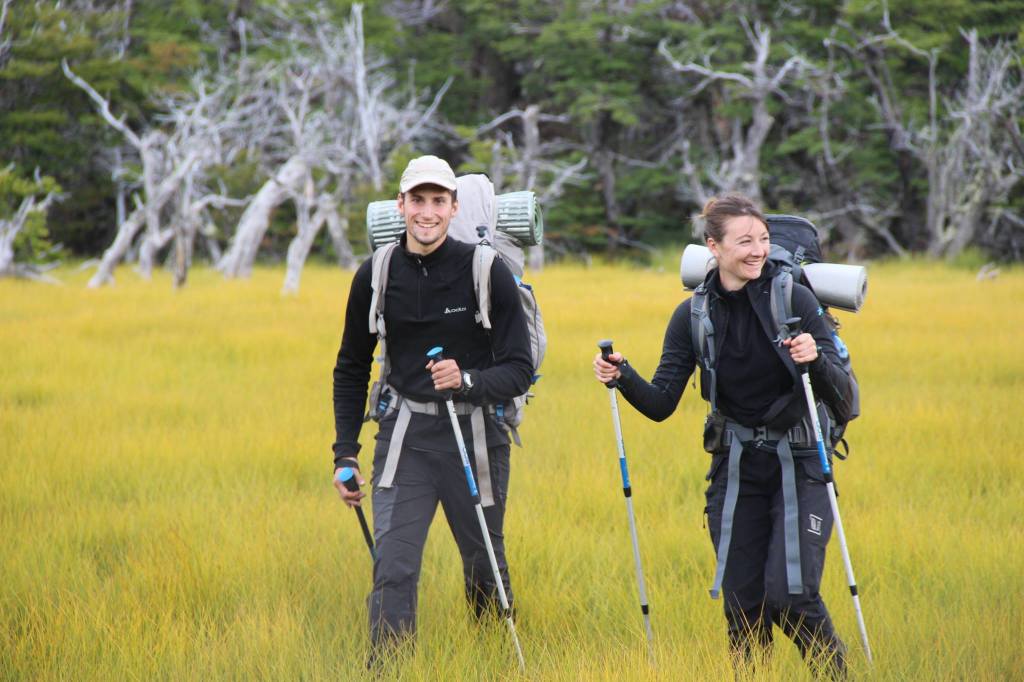
Moving inward, a long-sleeved hiking shirt makes a great mid-layer depending on how chilly it is during the hike. Follow with a short- or long-sleeved wicking base layer. A zip-up fleece jacket is a good addition if the temperatures are chilly. I prefer convertible pants on a chilly spring/fall morning hike so I can easily zip off the pant legs when things heat up. Last but not least, a hat to keep the sun out of your eyes or the rain from drenching your head!

Summer: Personally, I love summer hiking and the flexibility it gives for clothing choices! It usually doesn’t require the constant addition or removal of layers, and it makes a combo hike and swim possible. That being said, it’s important to keep in mind of environmental hazards (e.g., ticks, poisonous plants, snakes, etc.) and terrain when choosing summer hiking clothes. Hiking sandals and sneakers are appropriate for most terrain, though longer treks may still require hiking boots. Breathable wicking materials (no cotton) are key for shirts, bottoms and hiking socks to keep the sweat off your skin. Lighter colors absorb less heat and can keep you cooler on hot days. And, unwanted hitchhikers tend to prefer darker colors. A wide-brimmed hat can keep the sun off your face and neck!

Winter: Hiking in winter is a whole different animal, but it’s worth the extra effort to enjoy the beauty of nature in winter! The key here is layers: a base layer with insulating properties such as wool or budget-friendly synthetic materials; an insulating, removable middle layer; and a waterproof/windproof outer layer. Hiking boots, warm wicking socks, a wool or synthetic beanie hat and warm gloves are also key to a comfortable winter hike. For more detailed tips for winter outerwear, check out these articles on adult winter gear and what to wear when hiking in the rain and winter.

Even on bluebird sunny day, we never set off without rain gear, extra clothing, gloves, a hat and/or a nylon neck buff. Temps can drop fast. 

Hiking Boots – Trekking Boots

  • Don’t buy the classic, hard leather boots—too heavy for most day hikers, and hard to break in.
  • Your best bet: lightweight boots with ankle support.
  • Trail running shoes are fine if you’re used to them on uneven terrain.
  • Alaska trails often feature wet or muddy stretches. Consider trail shoes with waterproof, breathable liners such as Gore-tex, or carry waterproof, breathable socks.

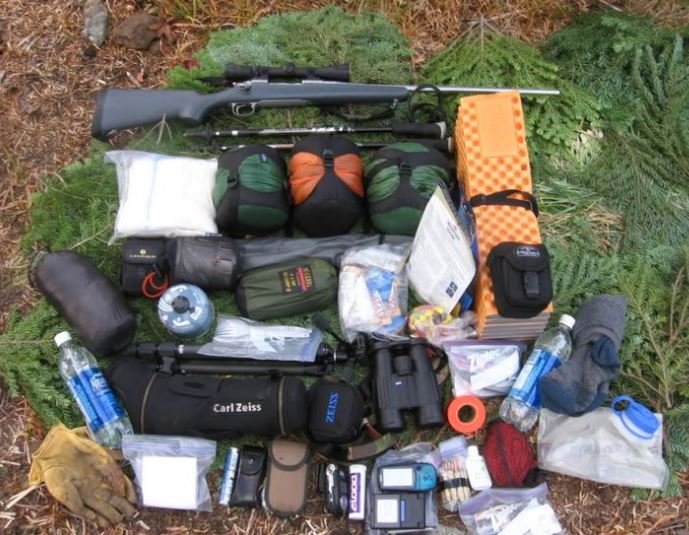
Pack a freezer bag with emergency gear

  • For simple first aid problems, carry a roll of gauze, a roll of medical tape, a few bandage strips, a small tube of antibacterial ointment and a square of moleskin for heel blisters or hot spots. 
  • Include an inexpensive lightweight “space” blanket in case you get stuck overnight. Look for these items in camping sections of superstore groceries or outdoor stores.
  • If traveling in country with downed wood that can be burned, carry fire-starter and matches.
  • A pocketknife or multi-tool.
  • For on-the-fly repairs: Dental floss to sew rips in clothing, a few wire ties or short span of bailing wire to tie up gear, a mini roll of duct tape to patch fabric.
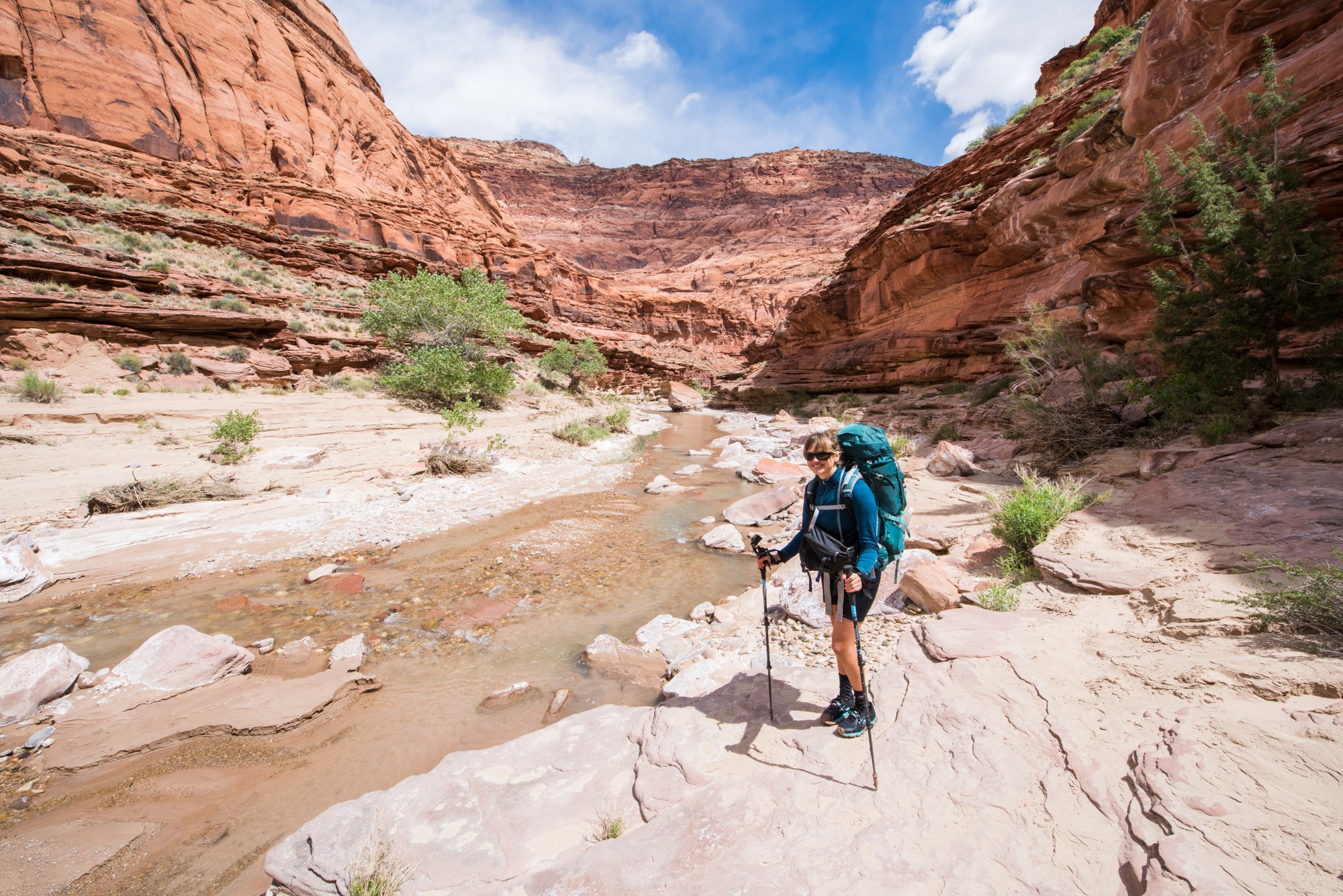
light trekking Poles

Trekking Poles

Don’t think of them as canes—here’s how any hiker will benefit from them:

  • Elevation. When heading down hills, shifting weight to the poles will protect your knees.
  • Uneven terrain. Using them on side hills—sloping terrain—can protect your ankles.
  • Whacking. Poles are great for helping whack brush aside.
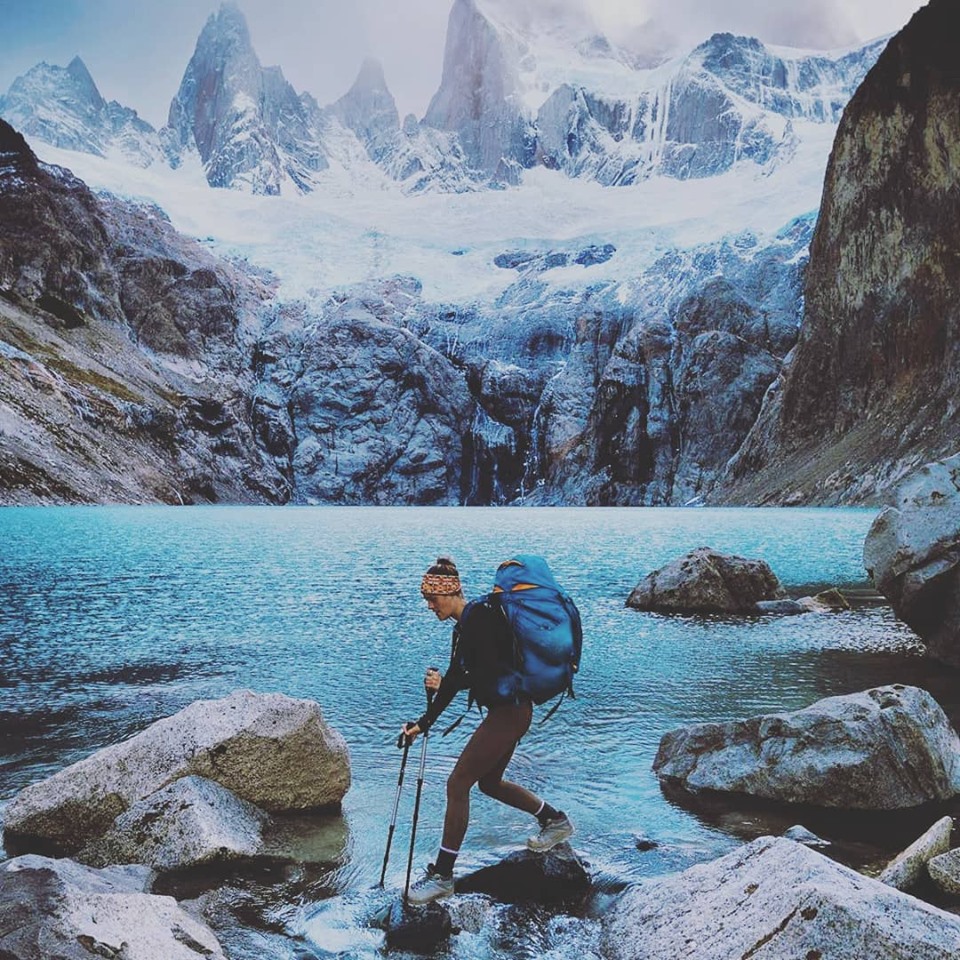
  • Water crossings. Probe the depth of a stream before you plant your foot (or whole leg) into it.
  • An extra pair of feet. They offer stability so you can look up and watch scenery, rather than your feet for every step.
  • Shopping for Poles. Aluminum is cheaper and heavier, but carbon might not be as durable. Shock-absorbing tips are great if you’re carrying a heavy load, but overkill for most day hikers. Look for something that can collapse and attach well to your pack.

Water Light trekking

If you’re heading out for a long hike, you’re probably going to need more water than you want to carry with you. The good news: there are streams everywhere. We Alaskans tend to take a bottle for water when light trekking , and then just refill it in a stream or river. If you don’t want to, here are your options:

  • SteriPen. UV lights kill bacteria, giardia, but don’t get rid of silt or grittiness from stream water.
  • Filter Pump. Low-tech, but your best bet for removing bacteria and bulk.
  • Purifying tablets. Iodine or Chloride tablets are cheap and lightweight, and a great back-up plan. Downsides: They’re slow (half an hour to four hours). Iodine makes the water taste funny, too.

Food For your light trekking

What’s a hike without a snack! It’s easy to tuck a carb-rich energy bar or trail bar or two into a pocket or a pack. Apples are super food that don’t get crushed. Consider keeping at least one snack untouched for emergencies or for one of those unexpectedly long days.

Two articles of clothing that come to mind are a) lightweight hiking shirts with long sleeves that can be rolled up and secured, and b) convertible pants with pant legs that zip off into shorts.

Shop equipmenet light trekking

Planning a light trekking date but are not sure of how to dress? Well, you just need to stick to a few rules.

One, check the current season: if it’s winter, look for clothes that you can layer up easily in case it gets colder. If it is summer, go for bright, light trekking outfits.

Similarly, it is important to consider the fabric used to make your hiking outfits. Stay away from cotton because it retains any moisture it absorbs; thus, keeping you wet. Instead, look for clothes made of merino wool or nylon.

Hopefully, you can now choose what to wear on a hiking date and get ready to hit the trails with the man or woman of your dreams. Believe me, this is much better than those restaurant dates. If you both share a love for the outdoors, you will always find a common ground to fall back on, even when you disagree.

Read more about Where can I sell my climbing gear?
What equipment is needed for climbing?

If you’ve never climbed before or have only climbed indoors, the equipment used for tackling real rock can seem mysterious, exciting and expensive.

What equipment is used for outdoor climbing?

Rock climbing is an awesome sport full of challenges and rewards. It’s something you can do from almost anywhere in the world and it’s a great way to discover a new place. However, not having the right rock climbing equipment can hold you back. It can also impact your safety. Make your climbs the best they can be by learning what kind of equipment you need. 

Rock climbing equipment basics 

We’ve rounded up a list of the most important items. If you’re just starting out, you won’t have to purchase all this rock climbing equipment yourself. Your guide will be able to lend it to you. You’ll also be able to rent most of these items. However, it’s good to get in the habit of knowing what you need for a safe and successful climb. It’s also helpful to pay attention to the equipment during your climbs. That way you can see what works for you and what doesn’t. Then, when you’re ready to start investing, you’ll be a step ahead of the game.

Climbing shop in best price look telemark pyrenees your shopn equipment ski touring
Climbing shop in best price look telemark pyrenees your shop equipment ski touring

Harness

This is a pretty important piece of equipment. There are a lot of options to choose from. When looking for a harness, you’ll see that they have two elements, the waistbelt, and the leg loops. The waistbelt should sit comfortably and snuggly over the hips. It’s a good idea to look out for harnesses with adjustable leg loops.

Another important element of choosing the right harness will depend on what kind of climbing you want to do. Going for a basic harness will save you money and be great for short simple climbs. However, if you’re going to be carrying extra loads look for a harness with extra gear loops. If you know you’ll be climbing for hours on end, it may be worth investing in a lightweight harness.

Rope

At first, you’ll be getting to grips with other people’s ropes, but the time will come where you’ll want to invest. The rope is one of your most important tools as a climber. However, choosing the right rope might seem a bit complicated at first.
You’ll find two groups of rope: dynamic and static. Dynamic ropes are best for rock climbing as are more elastic and can soften a freefall. A static rope is stiff and best used for rescues and rappelling.

Diameter and rope length are the main choices you’ll have to make initially. You’ll also have to choose between single, double or twin rope and the treatment of your rope. Single ropes that are around 60-meter ropes with a diameter of 9.5 mm to 10mm is a great start for a beginner. 

All that said, the rope you need will depend on your purpose, so it’s important to always do your own research.

Belay System

A belay system helps control any fall you may have. It’s also there to help you control your descent if you’re lowering a climber or rappelling. It uses friction to control the rope. Simple tube-style, passive belay devices are the best ones to start with, but you’ll probably be able to rent one when you’re just getting started with climbing. 

Helmet

While climbing you almost want to keep safety front and center so we’d always recommend using a helmet when climbing outside. It’s important that you get a helmet that has been specially designed for climbing. These will help prevent any damage from falling debris. 
Try on a few to make sure you get one that is comfortable and sits well on your head. It should not feel too loose, nor too tight.

Climbing Shoes

Climbing shoes protect your feet and allow you to get a hold of the footholds. Like other climbing gear and look the climbing shop , there are a lot of options on the market. When you’re starting out, look for a comfortable fit, middle of the range shoe. There are high-performance options out there but you can save them for a bit later on. One tip is only to wear your climbing shoes when you’re climbing. It may sound obvious, but if you use them to walk to and from your car as well, they won’t last as long.

Carabiners and Quick Draws

The carabiner is a small strong hero. They are connectors with spring-loaded gates which help you secure the rope to your equipment. They’re made to be lightweight and durable and come in a variety of shapes. They can be divided into locking and non-locking. As a beginner, a locking device to use with a belay will probably be the most useful purchase.

quickdraw is two carabiners joined together by a semi-rigid piece of fabric. They are used to extend the space between the anchoring device attached to the rock and the rope.

Slings

You’ll use slings on all your climbs to wrap around sections of rock. They’re basically just a sewn loop of webbing. You can use them as runners, anchors or to climb a rope.

Nuts and Camming Devices

These useful bits of equipment fall into the category of climbing protection. They help you secure your rope to the rock. They can also help avoid falling too far a distance.

If you’ve got your sights set on mountaineering or ice climbing, then you’re going to have to get acquainted with ice axes and crampons. Ice axes allow you to grip onto the ice from above. Crampons that you attach to your boots give you the traction you need to connect to the ice. Ice axes are also handy to grab hold of the ice if you find yourself slipping.

Read more the article : What to bring when camping for trekking?

What to bring when camping for trekking?

You have landed yourself this hunk of a man and he has asked you out. On a hiking date! Thus, you are looking for information regarding what to wear on a light trekking date. Read in this article the essential equipment for camping and trekking?

Essential equipment for Camping and trekking

Or maybe there’s this lady that you just met and she has told you she loves the outdoors, just as you do. There is no perfect way to hold a first, or even an umpteenth date for two outdoor enthusiasts than taking a light trekking.

I did write an earlier post about how to look cute when light trekking date , of course by choosing the best outfit. But there is hiking, and then there is a light trekking date. First impressions matter a lot. You want to look your best.

Shop equipment trekking and hiking
The Essentials for Camping & Hiking : Shop equipment trekking and hiking

What to wear on a hiking date in winter

Spending time outdoors by going for a hiking date is an incredible experience. You and your partner get to experience a rush of the exercise-induced endorphins while enjoying spectacular views of Mother Nature from trails, riversides, waterfalls, lakesides and even mountaintops.

Unfortunately, getting the perfect attire to wear to your light trekking date can be tasking, especially if you and your partner are just starting to know each other.

You don’t want to overdress and end up feeling too hot. But you also don’t want to keep it too casual and give off the “I’m not interested” vibe.

Read more the aticle blog at TREKKING POLES – HOW TO CHOOSE?

Choosing what to wear hiking for different seasons

If you are undecided on how to dress for your light trekking date, we are here to help. For the most part, the current season should guide you on what to wear.

There is no better time to have a hiking date than during winter. And no, it is not because you want to test your partner’s mettle in adversity. It is because the winter hiking trails are almost secluded at this time. ‘

Simply said, the trails will not be crowded. You will get all the seclusion that you need to have a palaver, laugh, share experiences and crack jokes.

However, you have to take some precautions. If the trails will be steep, you must remember to bring your hiking poles. Such will give you a good grip on the trails.

For a winter hiking date, it is advisable that you keep yourself as warm as you can. You don’t want to have to cancel the date midway because you’re feeling too cold.

Thus, you should wear thick hiking pants, a warm blouse/top/shirt and a sweater or hiking jacket. If you are not certain of how cold it will be, look for clothes that you can easily wear on top of your jacket.

For the footwear, hiking boots are a good investment. Although not necessary, you can also wear cold weather gloves and a beanie.

The good thing about these two pieces of clothing is that they come in stylish designs. Thus, they will add an elegant touch to your look.

If you are worried that you will look too overdressed, worry not. Your partner will be wearing the same. It is winter, and the order of priority is to keep warm on the trails and look cute second.

Talking about keeping warm, well, you can bring along your mug for keeping coffee hot. Your partner will be glad you brought a hot drink of coffee a long.

What to wear on a hiking date in summer

Thanks to the warmer, friendlier temperatures of summer, you can go as bright as you want with your hiking outfits.

As opposed to hiking in winter, during summer, you do not have to pack many items in your backpack. You just need to bring the essentials like food/snacks, and drinking water.
The trails will be more crowded in summer, so just concentrate on having fun. The best way to have fun is to wear as comfortably as possible.

For women, the ideal outfit for what to wear on a hiking date will consist of a breathable tank top and either shorts or leggings depending on where you are going hiking.

If you will be exploring a dense forest with thick bushes, you can cover up some more by choosing pants. Complete your outfit with a light blazer and a chic pair of sneakers.

For men, you can choose a quick-drying t-shirt or a short sleeve shirt, shorts/pants and a pair of hiking shoes. You can also wear a light jacket.

Important tips for choosing your hiking outfit

“Can’t I just wear my yoga pants and a baggy t-shirt?” The simple answer to this is, yes.
There is no problem with wearing your yoga pants for the hiking date. The only problem is that most gym clothes or exercise-wear will not hold up when it starts snowing, or worse, raining.

Also, if you’re going for a hike that will last a day or more, you should think more strategically about your trekking gear.

Sure, you can use your favorite running shoes for the hike but if you have to traverse through a swampy terrain on the second day, this type of footwear is not the best. For such situations, you need a quality pair of waterproof hiking boots.

What to wear on a hiking date girl

Of course, you must consider your gender when choosing what to wear on a hiking date. This includes even things such as hiking backpacks. For example, womens hiking backpacks are designed in such a way that they fit the smaller torsos. Women have smaller torsos and waists.

When choosing a pair of hiking boots, the same applies. Womens feet are narrower and smaller and the opposite applies to men. Buy everything according to your gender.

The most important things: The weather! In summer or spring, you can wear loose fitting outfits to allow the heat to escape. You need to keep cool.

In the colder seasons, you will need to layer up, and wear tighter-fitting clothes so that heat does not escape.

What to wear on a hiking date men
Men can get away with almost everything, as long as it is fitting. However, the most important consideration is the weather. If it will be hot, do not overdress. If it is cold, do not underdress.

Whether it is cold or hot, remember to wear inner layers that wick the sweat away. If you make the mistake of choosing cotton outfits that absorb and retain sweat, you will be so uncomfortable and you may not even enjoy your hiking date.

light trekking buy your gear equipment at Telemark Pyrenees
light trekking

What are the Best Fabrics to Wear on a Hiking Date?

The most important rule regarding what to wear on a hiking date is to stay away from cotton clothing. This material tends to absorb and retain moisture right next to your body.

This means that if it is hot, you will be soaking in sweat. Cotton is also poor at insulating meaning that if it is cold, you run the risk of getting hypothermia.

Instead of cotton, look for clothes made of:

Merino wool
This fabric has several benefits for hikers. For one, it’s soft to touch so you’ll feel comfortable in your outfit. Secondly, it disperses all the moisture away from your body. And even if it retains some of the moisture, it dries fast.

Nylon
Although this is mostly used to make stockings and lingerie, it is also a good choice for hiking clothes. The benefit of nylon is that it’s thin and tough at the same time.

If you think that your hiking date will extend to the next day, nylon outfits are a really nice choice. This is because they compress easily, allowing you to pack warm but light.

For overnight hiking, you will need a heavier pack because you will need to bring a tent and tent sleeping items.

Read more at What should I wear for trekking?

Concevoir un site comme celui-ci avec WordPress.com
Commencer